Trading teams play a critical role in the operations of sportsbook operators. Here are more details about their role and responsibilities:
Odds Compilation and Management
Trading teams are responsible for compiling and managing the odds for various sports events offered by the sportsbook. They analyze various factors such as team/player performance, historical data, injuries, and other relevant information to determine the probabilities of different outcomes. Using this information, they set initial odds and continuously adjust them to reflect market demand, balance the book, and manage risk.
Risk Management:
Managing risk is a key aspect of the trading team’s role. They closely monitor betting patterns, market fluctuations, and significant events, particular outlying exceptions, to assess and mitigate potential for anomalous risks. By analyzing the exposure and potential liabilities associated with different outcomes, the trading team ensures the sportsbook optimizes its performance over time. A common misconception is sportsbooks maintain a “balanced book” and seek to minimize potential losses on any one event. With the economies of scale achieved in the global industry today, this strategy is not only difficult or impossible to achieve, but also would severely hinder the sports books ability to serve customers demand.
Market Monitoring and Reactivity:
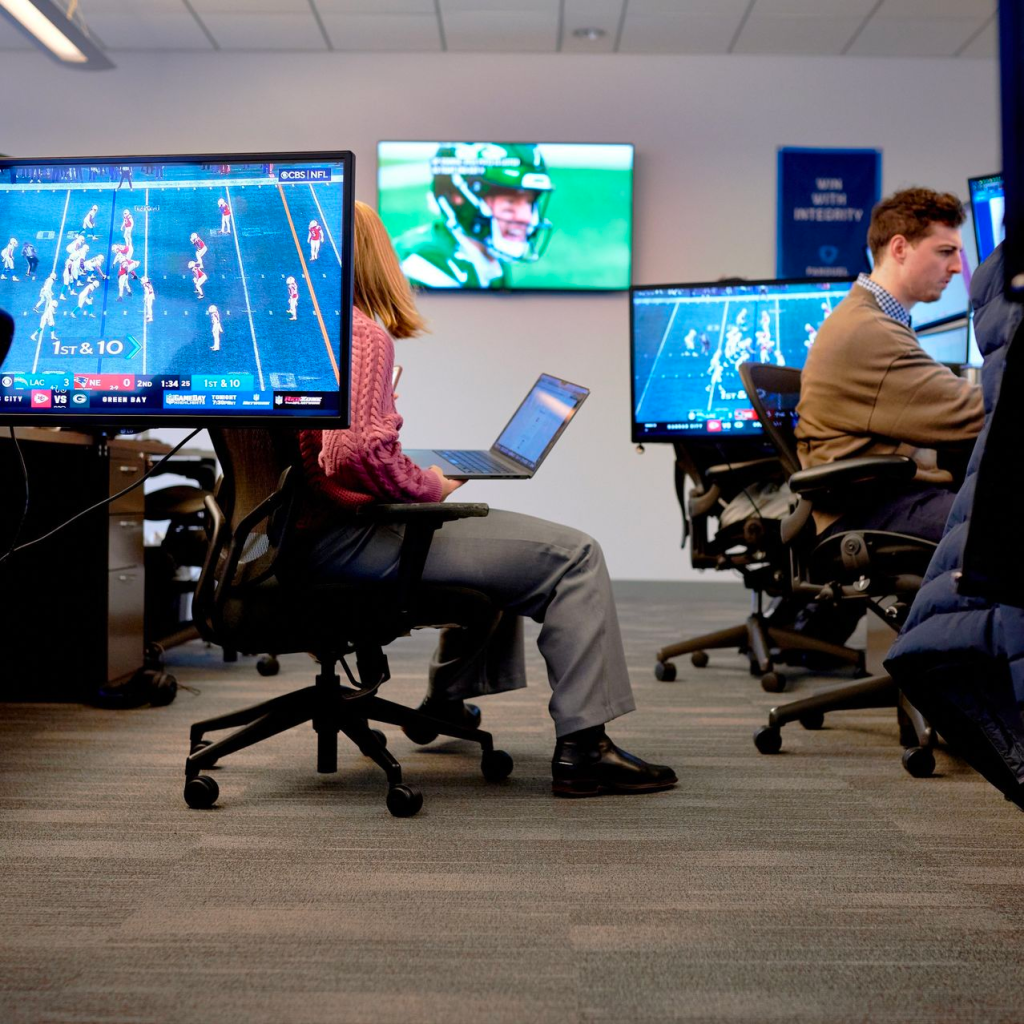
Trading teams closely monitor the market and react swiftly to changes and developments. They track odds movements across different sportsbooks, assess market sentiment, and adjust their odds accordingly to maintain competitiveness. Timely reactions to line movements, large wagers, and other market factors are crucial to ensuring optimal odds and attracting bettors.
Data Analysis and Modeling:
Sportsbook trading teams employ statistical analysts and model developers to analyze historical data, identify trends, and make data-driven decisions. They utilize tools such as Excel, R, or Python to develop pricing algorithms, assess probabilities, and optimize odds. By leveraging data and advanced analytics, the trading team seeks to improve accuracy and profitability. Trading teams more recently have shifted in the direction of being skilled in SQL, Snowflake, Tableau, Power BI and similar as an entry level requirement for the future fit needs of the department.
Collaboration with Other Departments:
Trading teams collaborate with various departments within the sportsbook operator. They work closely with the marketing team to align promotions and campaigns with the odds and betting markets. They also collaborate with the technology team to ensure smooth integration of odds into the sportsbook platform and address any technical issues that may arise.
Market Research and Competitor Analysis:
Trading teams conduct market research and competitor analysis to stay informed about industry trends, new betting markets, and competitor offerings. They evaluate the odds offered by other sportsbooks, assess market competitiveness, and make strategic decisions to attract and retain customers.
Compliance and Regulatory Considerations:
Trading teams work in adherence to regulatory requirements and compliance standards. They ensure that the odds and betting offerings comply with relevant regulations in the jurisdictions where the sportsbook operates. They collaborate with compliance teams to implement necessary measures to detect and prevent fraudulent activities and maintain the integrity of the sportsbook
Trading teams are at the core of sportsbook operations, playing a vital role in setting odds, managing risk, and ensuring a competitive and engaging betting experience for customers. Their expertise in odds compilation, risk management, data analysis, and market monitoring is crucial for the success of sportsbook operators.

 Wagering America
Leave a comment